My first meeting with Swami Kriyananda took place the day I arrived at Ananda (on July 4, 1969). This was the day Ananda first took possession of the farm property where Ananda Village is now located. Then there was just a handful of people, one old farm house, and 500 acres of undeveloped property. Yet somehow I could feel an incredible potential for something to be created there.
I was standing on the front lawn feeling somewhat bewildered and looking like a hippie, wearing old cut-off jeans, a faded shirt, sandals, and very long hair.
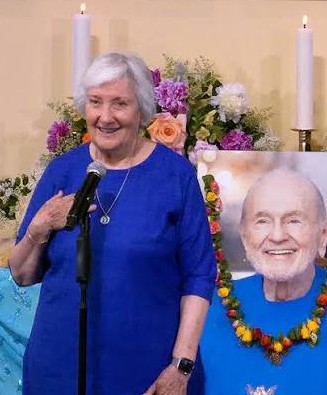 A man came up to me, and his first words were, “You look like a Phi Beta Kappa.” In fact I was, but no one would have known it to look at me. I stared at this man who was wearing Bermuda shorts and a colorful print shirt, and said, “Yes, I am.” There was a little cooperative kitchen where the market is now, and at that moment somebody came out and said, “We’re having hash browned potatoes for dinner.” With transparent enthusiasm the man said, “Oh good, I love hash browned potatoes.” And in he went for dinner. Later someone told me that that was Swami Kriyananda.
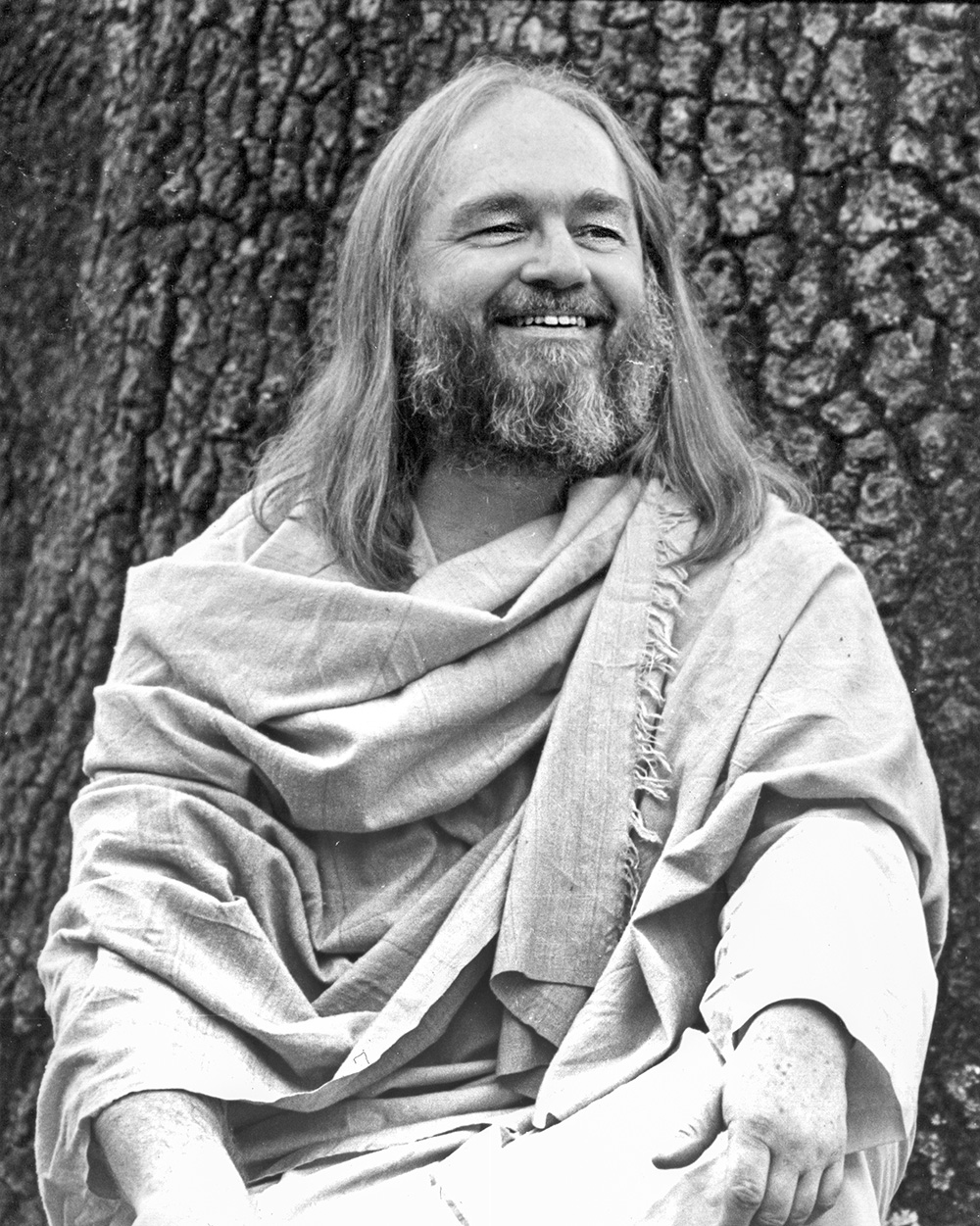 A lot was conveyed in those few moments. He had seen who I was on a deeper level, and had expressed child-like joy in the simple things of life with complete naturalness. There was no pretension, no spiritual role-playing. He wasn’t afraid to be himself with joy and freedom, and at the same time, with a deep attunement to other people.
As the weeks went by, and I attended the weekly Sunday services he gave at the Meditation Retreat, I felt my mind being opened to sublime truths that I’d been seeking. The things he spoke of were a reflection of the things I’d read in the Bhagavad Gita, yet it wasn’t the same as being taught by a scholarly college professor with an academic approach. I’d never met anyone in my life who inspired me as he did. He clearly had personally experienced and was living the things he talked about.
My parents were Jews, and my mother was a person of tremendous compassion and purity. I didn’t appreciate it at the time, but while I was growing up, I never heard her criticize anybody. Sometimes I’d come home from school crying because somebody had teased me, and instead of instantly defending me, she would say, “Let’s try to understand why that person did that.” She was always trying to look for the deeper truth in all things.
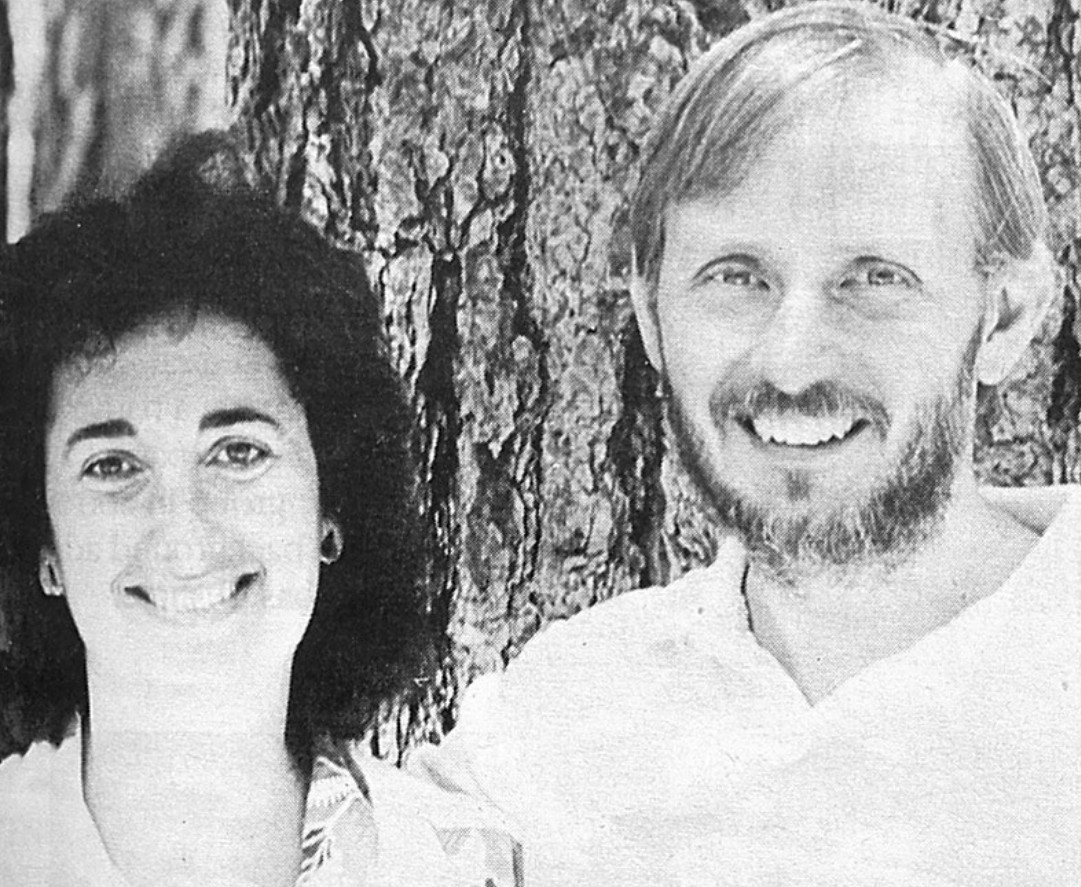 I lived in a predominantly Jewish community with wonderful neighbors, schools, and educational and artistic opportunities. It was like an island amidst the sea of life of the city. Consequently, it was an easy transition for me to feel at ease in a “counter culture.” After being at Ananda for a few weeks, I thought, “It’s a different way of life, but it’s a great. I can finally be myself in this community. I can be who I really am, and people will understand that.”
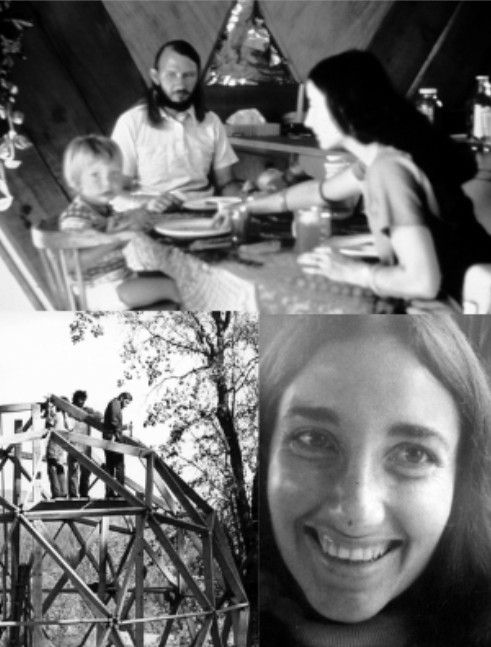 In serving the community, we’ve learned how to work with people by watching the example of Swami Kriyananda. He has consummate consideration for other people’s realities and has never tried to make people fit into any mold. He tried to help everyone, not based on their personality or if they were well-liked, but if they were sincere spiritually. I’ve used him as a role model of how to relate to others with wisdom, patience, and dispassion. I would watch him at community meetings and be amazed at the tolerance he had for accepting people, even though the person was being disruptive. Kriyananda was a remarkable channel of unconditional love for others through his acceptance of their mistakes and flaws, and through his ability to see God in them.
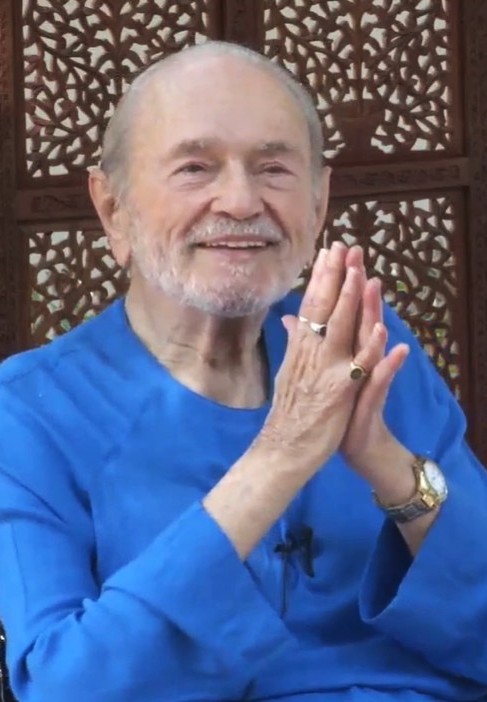 In working with people, I try to follow his example of helping people to see their own strengths and to realize that the answers to their problems lie within them. There’s a particular joy that happens when people begin to experience their own potential for happiness and for directing their own lives successfully. Over the years Ananda has developed into a beautiful community with houses, gardens, schools, job opportunities, businesses, and roads, but I’ve never seen Ananda as a place. To me it’s always been an opportunity for the spiritual growth of the individual. The job, the house, the social experience have been secondary. Without a sense of your own inner reality, nothing outside of you can make you happy. When people come with problems, I never try to make all the details work out right, but try to inspire them to get energy moving in their lives that will draw to them the things and the solutions that they need.
Ananda is trying to live by its ideals of love for God, of selflessness, of simplicity, of helping others outside one’s immediate family, of consideration for friends and neighbors and their needs. To have a way of life that’s based on reaching out to others from a core of love for God isn’t going to be widely popular or even well understood. One of Yogananda’s guidelines for spiritual communities is “plain living and high thinking” to live for God with few material possessions, but still with a sense of graciousness based on the desire to share with others.
 What advice would I give others drawn from my experience of Ananda? Listen to the voice within that wants to reach out to become more, that wants to try to accomplish goals that seem impossible. Have courage and joy to go forth to find your highest potential and live your dreams. God’s grace will guide you and bring you fulfillment.
________________________________________
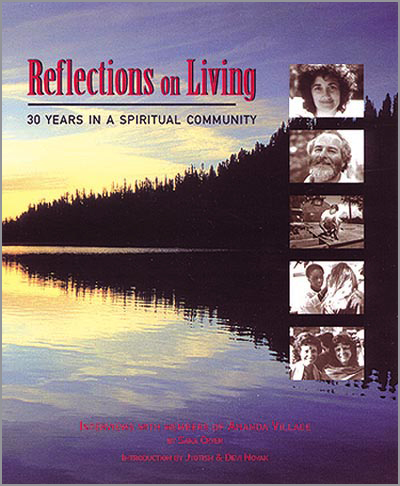
Excerpt from the book: “Reflections on Living 30 Years in a Spiritual Community” by Sara Cryer